
If you’ve practiced Yoga, you’ve already touched the roots of Ayurveda—whether you realized it or not. These sister sciences are like two wings of the same bird, designed to help us live in balance with nature and our true selves.
Both originate from the Vedic wisdom of India, dating back over 5,000 years. Yoga in the West is often experienced through asana—the postures that fill fitness studios and Instagram feeds. Ayurveda, on the other hand, is often introduced through herbs and healing rituals. But in their traditional form, neither is limited to the body alone. Yoga is a discipline for body, mind, and spirit, and Ayurveda nurtures not just the body, but also the mind, consciousness, and emotional well-being.
While these two sciences are often taught and practiced separately today, they are most powerful when woven together—like breath and movement in a flowing vinyasa. For yoga teachers and practitioners, integrating Ayurveda can deepen your connection to nature, help you adapt your teaching seasonally, and transform both your personal practice and what you can offer to your students.

Align your practice with nature
Imagine waking before sunrise, when the world is hushed, the air crisp, and the first light paints the sky in soft pastels. This “magical hour” is where Ayurveda and Yoga meet most gracefully.
Ayurveda’s first goal is “to preserve the health of the healthy.” It does so by harmonizing our daily rhythms with those of nature—when we wake, how we eat, when we move, and how we rest.
The Ayurvedic Clock: Moving With the Rhythm of the Day
Timing is everything. To make the most of your practice, align it with the Ayurvedic clock:
- 4–6 AM (Vata time): The stillness before dawn is the ideal time for Yoga and meditation. The mind is quiet, the energy subtle, making it easier to slip inward.
- Midday (Pitta time): Practice before lunch if possible. Afternoon energy peaks, so a strong flow can feel uplifting.
- Evening (Kapha time): Slow down. Yin or restorative Yoga can gently guide the body toward sleep.
Think of it like surfing: you’ll flow best when you catch the wave at the right time.

Asana Through the Seasons: Practicing With the Elements
Nature never stands still—and neither should your practice. Ayurveda teaches that there is no “inside” and “outside” separation; the shifting weather patterns directly affect our inner balance. By tailoring your Yoga to the seasons, you adapt gracefully, reduce imbalances, and deepen connection to the cycles of life.
- Kapha Season (Late Winter – Early Spring): Heat things up with vigorous Surya Namaskar, open the lungs with backbends like Natarajasana (Dancer’s Pose), and lighten heaviness with energizing inversions like Adho Mukha Svanasana (Downward Dog).
- Pitta Season (Late Spring – Early Fall): Cool the inner fire with gentle, calming flows, twists, side bends, and restorative poses.
- Vata Season (Mid Fall – Early Winter): Ground yourself with Virabhadrasana (Warrior Poses), balancing postures like Vrksasana (Tree Pose), and warming folds or backbends that soothe the nervous system.
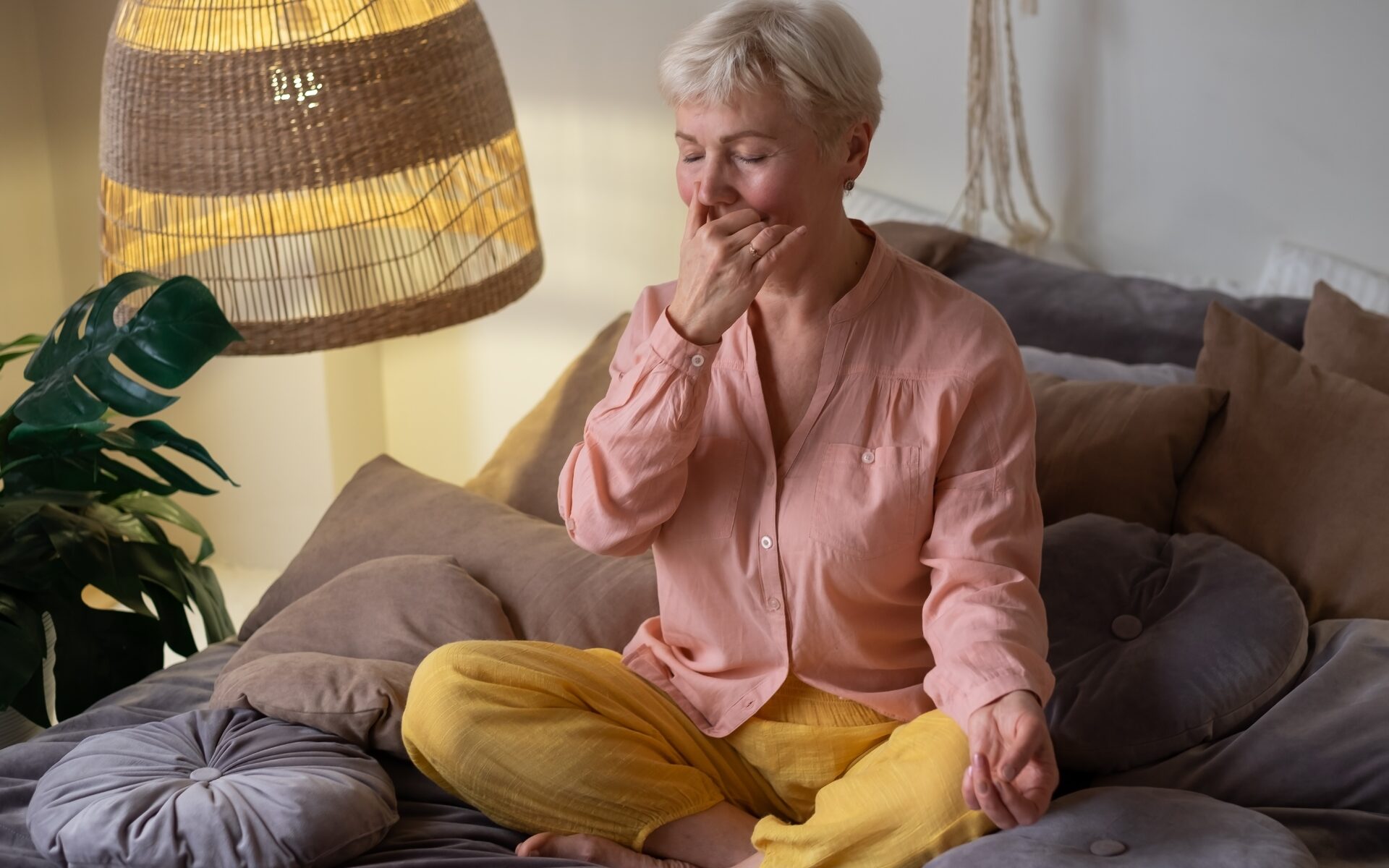
Breath as Medicine: Pranayama for Balance
If asana is the body’s language, pranayama is the breath of the soul. Just as each Dosha (mind-body constitution) has tendencies, specific breath practices can restore equilibrium:
- Kapha: Energize and clear heaviness with Ujjayi and Kapalabhati.
- Pitta: Cool intensity with Shitali or Sitkari, drawing in cooling air like sipping water through a straw.
- Vata: Calm the restless winds with grounding practices like Surya Bhedana and Bhastrika.
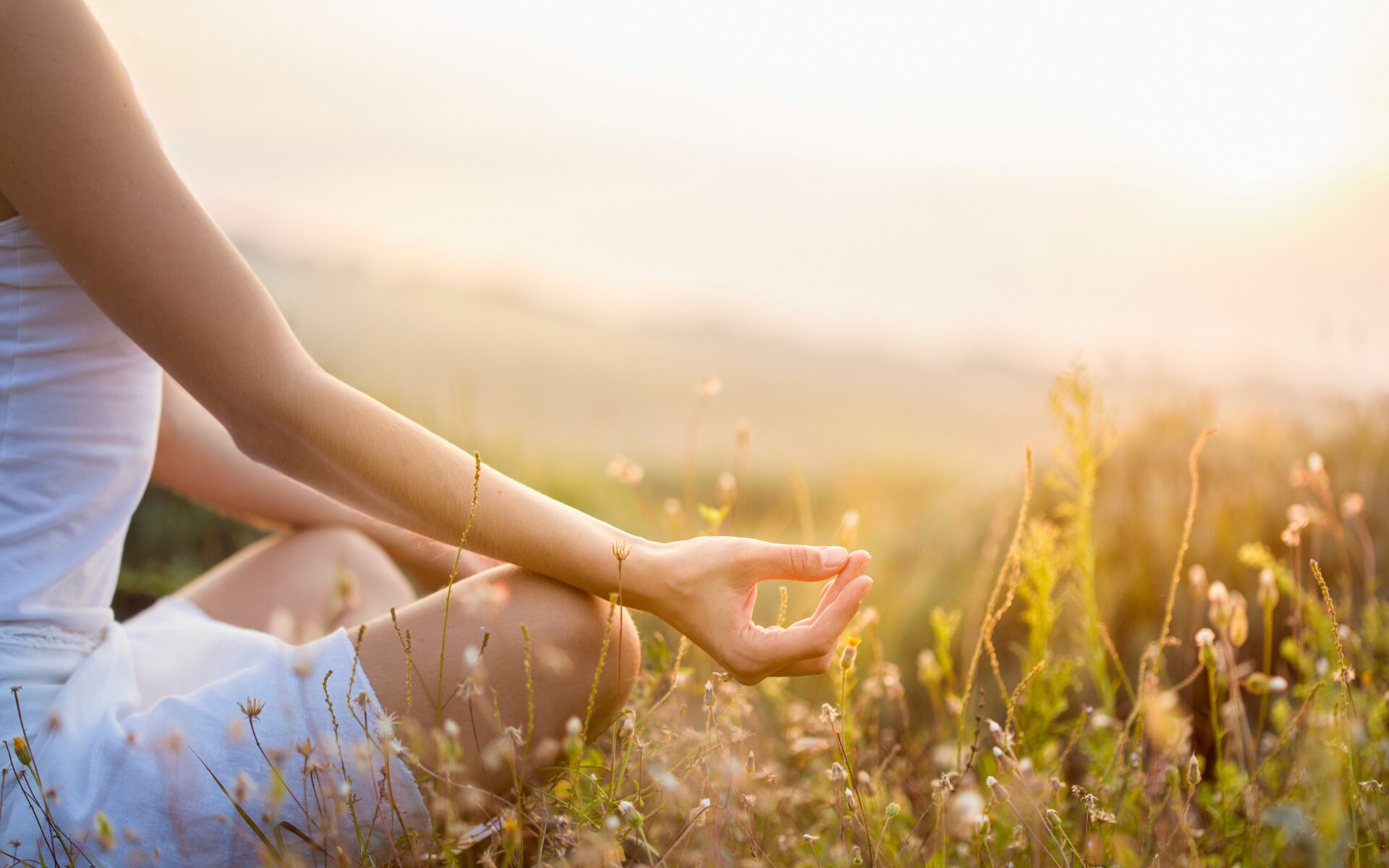
Meditation: Turning Inward With Ayurveda
Meditation bridges Ayurveda and Yoga. Its purpose: to stabilize the mind, dissolve conditioning, and reconnect with universal consciousness.
- Vata: Mantra repetition anchors the wandering mind.
- Pitta: Heart-centered meditations soften impatience and cultivate compassion.
- Kapha: Present-moment awareness or Kirtan singing uplifts heaviness and clears attachments.
The Final Word: Two Paths, One Journey
As David Frawley beautifully puts it:
“There is no Yoga Chikitsa (therapy) apart from Ayurveda.”
When practiced together, Ayurveda and Yoga don’t just complement each other—they complete each other. They offer a seasonal, personal, and timeless path toward harmony of body, mind, and spirit.
For Yoga practitioners and teachers, this union is not only transformative for your own health, but also expands the depth of what you can share with others.
At Kerala Ayurveda Academy, we invite you to explore this integration through our certification programs. Discover how Ayurveda can illuminate your Yoga practice—and how your Yoga can embody Ayurveda’s wisdom.