Why the Modern Home Apothecary Movement Is More Relevant Than Ever
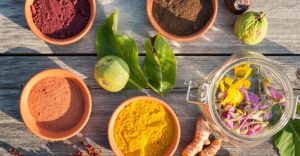
The wellness landscape is evolving. We’re moving beyond searching for quick symptom relief and instead creating modern home apothecaries—curated collections of herbs, spices, and natural ingredients used with knowledge, purpose, and personalization.
Unlike scattered DIY fixes found online, a modern home apothecary is a structured approach to self-care. It’s about having the right tools at your fingertips and the wisdom to use them effectively. And this is exactly where Ayurveda’s 5,000-year tradition shines.
As wellness priorities shift toward gut health, immune resilience, and measurable outcomes, Ayurveda continues to address these foundational systems—it’s always been there, just with different language. What grandmothers in Kerala called “kitchen medicine” is now being rediscovered as personalized, preventive wellness.
Let’s explore how to build a modern Ayurvedic home apothecary that bridges ancient wisdom with today’s wellness priorities. If you’re ready to learn how to care for yourself and your family using Ayurvedic home remedies, our comprehensive course teaches you step-by-step protocols to set up and use your own personalized home apothecary.
What Is a Home Apothecary?
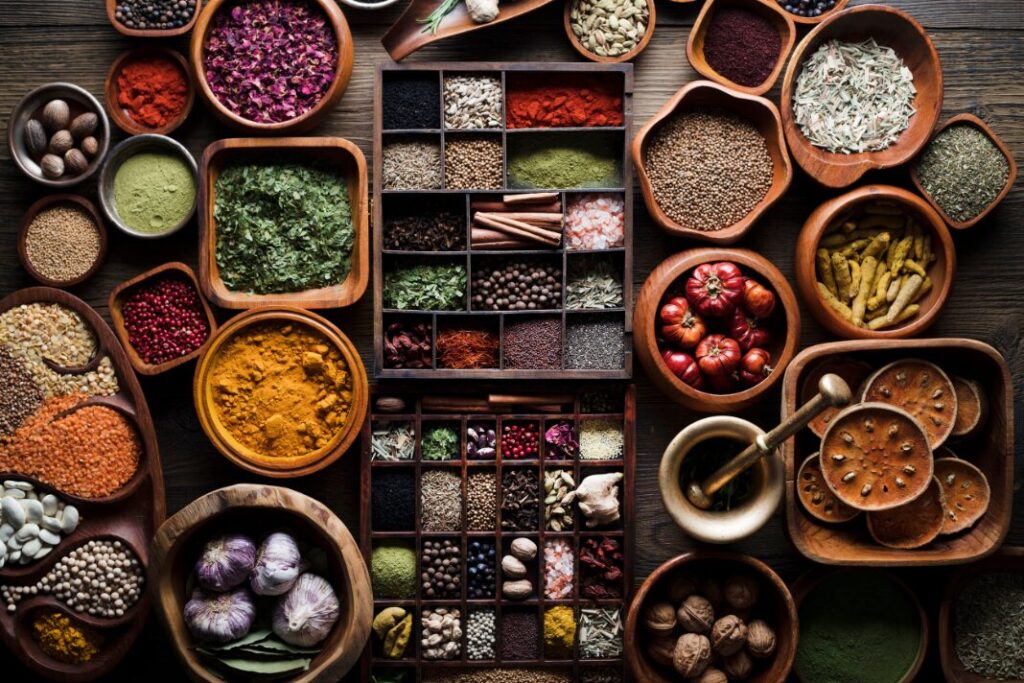
A home apothecary is your personal wellness toolkit—a thoughtfully curated collection of herbs, spices, oils, and natural ingredients that you know how to use for specific health needs.
Unlike a medicine cabinet filled with over-the-counter medications that treat symptoms after they appear, a home apothecary focuses on:
Prevention – Building resilience before imbalances occur
Early intervention – Addressing the body's whispers before they become shouts
Personalization – Choosing remedies based on your unique constitution and current state
Empowerment – Understanding the "why" behind each ingredient
In Ayurvedic tradition, every kitchen is an apothecary. The ingredients that nourish you—turmeric, ginger, cumin, coriander, fennel, black pepper, ghee, honey—also heal you when used with intention and knowledge.
Modern Home Apothecary vs. Medicine Cabinet
The key difference between a modern home apothecary and a traditional medicine cabinet lies in philosophy and approach:
Medicine Cabinet Approach:
Reactive: addresses symptoms after they appear
Standardized: one-size-fits-all solutions
Symptom suppression: masks problems rather than addressing root causes
Dependency: requires ongoing pharmaceutical intervention
Unknown ingredients: often contains synthetic compounds and additives
Modern Home Apothecary Approach:
Proactive: prevents imbalances before they manifest
Personalized: adapts to your unique constitution and current needs
Root-cause focused: addresses underlying imbalances
Empowering: builds your body’s natural capacity to heal
Transparent: you know exactly what you’re using—pure, organic, whole ingredients
When you build a home apothecary, you’re not simply replacing pharmaceuticals with herbs. You’re adopting an entirely different relationship with health—one rooted in prevention, wisdom, and self-knowledge.
Modern Home Apothecary vs. Random DIY Remedies
While the internet is full of DIY remedy lists and “kitchen hacks,” a true modern home apothecary is fundamentally different:
Random DIY Remedies:
- Scattered information without context or principles
- No understanding of why something works or when to use it
- One-size-fits-all recommendations that ignore individual differences
- Often conflicting advice from unreliable sources
- No framework for adapting remedies to your needs
Structured Home Apothecary:
- Rooted in time-tested systems like Ayurveda with thousands of years of observation
- Deep understanding of the properties, actions, and appropriate uses of each ingredient
- Personalization based on constitution (prakriti) and current imbalance (vikriti)
- Knowledge of preparation methods, timing, dosage, and combinations
- Principles you can apply and adapt throughout your life
Creating a home apothecary isn’t about collecting random tips from social media. It’s about learning a coherent system that empowers you to make informed decisions about your health and your family’s wellness.
This is why structured training—like the Ayurvedic Home Remedies course—makes such a profound difference. You’re not just getting recipes; you’re gaining the foundational knowledge to use your home apothecary with confidence and wisdom.
How to Build Your Modern Home Apothecary:
Essential Ingredients
Building a modern home apothecary can feel overwhelming when you’re just starting out. The good news? You don’t need exotic ingredients or a fully stocked herbal dispensary to begin. In fact, you probably already have many powerful Ayurvedic remedies sitting in your kitchen right now.
These foundational ingredients—especially when organic and whole—are accessible, affordable, and incredibly versatile. There’s something deeply empowering about knowing exactly what you’re using: no synthetic additives, no questionable ingredients, just pure, natural staples you can trust. They’re the same ingredients that families have relied on for thousands of years—and they’re the perfect starting point for anyone beginning their journey into clean, Ayurvedic self-care. Master these basics, and you’ll have a solid foundation to build upon as your knowledge grows.
The Foundation: Kitchen Staples That Heal
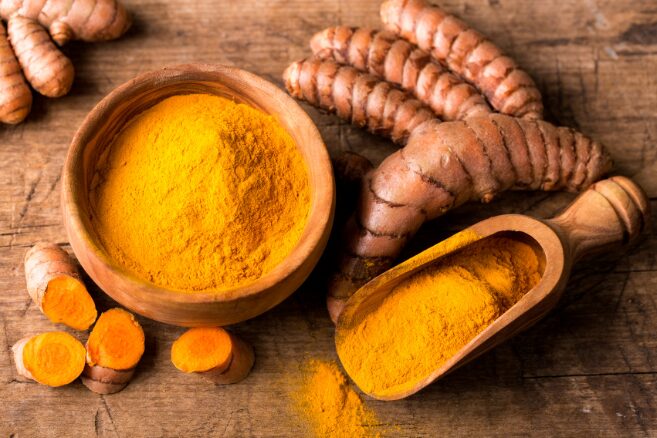
Turmeric (Haridra)
Modern wellness connection: Anti-inflammatory, gut health support
Ayurvedic uses: Reduces inflammation, supports liver function, heals wounds externally
How to use: Golden milk for immune support, turmeric paste for skin conditions, with black pepper for absorption
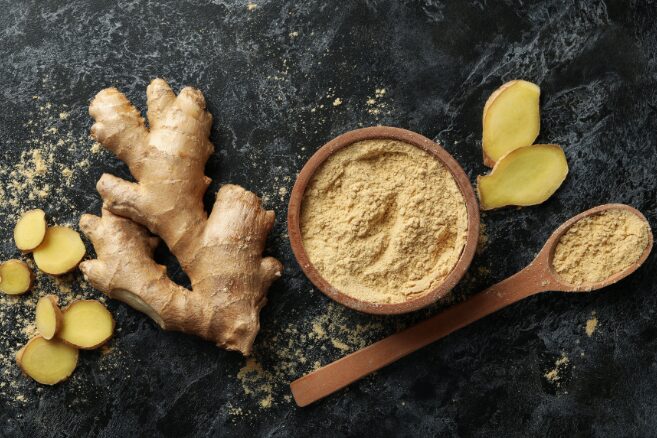
Ginger (Ardraka/Shunti)
Modern wellness connection: Digestive health, nausea relief
Ayurvedic uses: Kindles digestive fire (Agni), clears respiratory congestion, reduces bloating
How to use: Fresh for acute digestion issues, dried for chronic conditions, ginger tea before meals

Cumin (Jiraka)
Modern wellness connection: Gut microbiome support, metabolic health
Ayurvedic uses: Balances all three doshas, improves nutrient absorption, reduces gas
How to use: Cumin tea for bloating, toasted cumin water for daily digestion

Black Pepper (Maricha)
Modern wellness connection: Bioavailability enhancer, metabolism support
Ayurvedic uses: Enhances Agni, improves circulation, supports respiratory health
How to use: Combined with turmeric for absorption, in honey for coughs
Spotlight Ingredient: Moringa (Shigru)
The New Superfood with Ancient Roots
While turmeric and ginger have become household names in wellness circles, moringa is emerging as the next trending ingredient—and Ayurveda has been using it for millennia.
Nutrient density: 7x more vitamin C than oranges, 4x more calcium than milk, rich in amino acids
Gut health support: Prebiotic properties that feed beneficial gut bacteria
Anti-inflammatory: Powerful antioxidants supporting immune function
Sustainable superfood: Easy to grow, minimal environmental impact

How to Incorporate Moringa Into Your Home Apothecary:
For Daily Immune Support: Add ½ teaspoon moringa powder to warm water in the morning. Its mild, earthy taste also blends well with other ingredients.
For Digestive Wellness: Mix moringa powder with cumin and fennel tea to support both gut flora and digestive fire. This combination addresses modern microbiome health while balancing Agni.
For Skin Health: Create a paste with moringa powder, turmeric, and raw honey for a nutrient-rich face mask. The anti-inflammatory properties support clear, healthy skin.
For Respiratory Support: During seasonal transitions, combine moringa with ginger and tulsi (holy basil) tea to strengthen respiratory resilience.
Ayurvedic Perspective: Moringa is generally balancing for all three doshas when used appropriately, though its heating quality means Pitta individuals should use it in moderation or avoid it during hot weather. Its warming nature makes it excellent for supporting Vata and Kapha, while its bitter taste can benefit Pitta when not in excess. It’s particularly valuable during Vata season (fall/early winter) for its nourishing, strengthening properties.
From Ingredients to Practice:
Building Your Apothecary System
Having the ingredients is only the beginning. The real power of a home apothecary comes from knowing:
1. When to Use Each Remedy
- Is this a Vata, Pitta, or Kapha imbalance?
- What season are we in, and how does that affect doshas?
- What are the early warning signs my body is giving me?
2. How to Prepare Properly
- Fresh versus dried ingredients—when does each matter?
- Heating versus cooling preparations
- Optimal timing for consumption (morning, before meals, bedtime)
- Combining ingredients for synergistic effects
3. Why It Works
- Understanding the properties (gunas) of each ingredient
- How it affects your digestive fire (Agni)
- Its impact on doshas and dhatus (tissues)
- The principle behind the practice
4. How to Personalize
- Adapting remedies for your prakriti (constitution)
- Adjusting for your current vikriti (imbalance)
- Considering your age, season, and lifestyle
This is the difference between collecting ingredients and having a functional apothecary. Knowledge transforms a spice cabinet into a pharmacy.
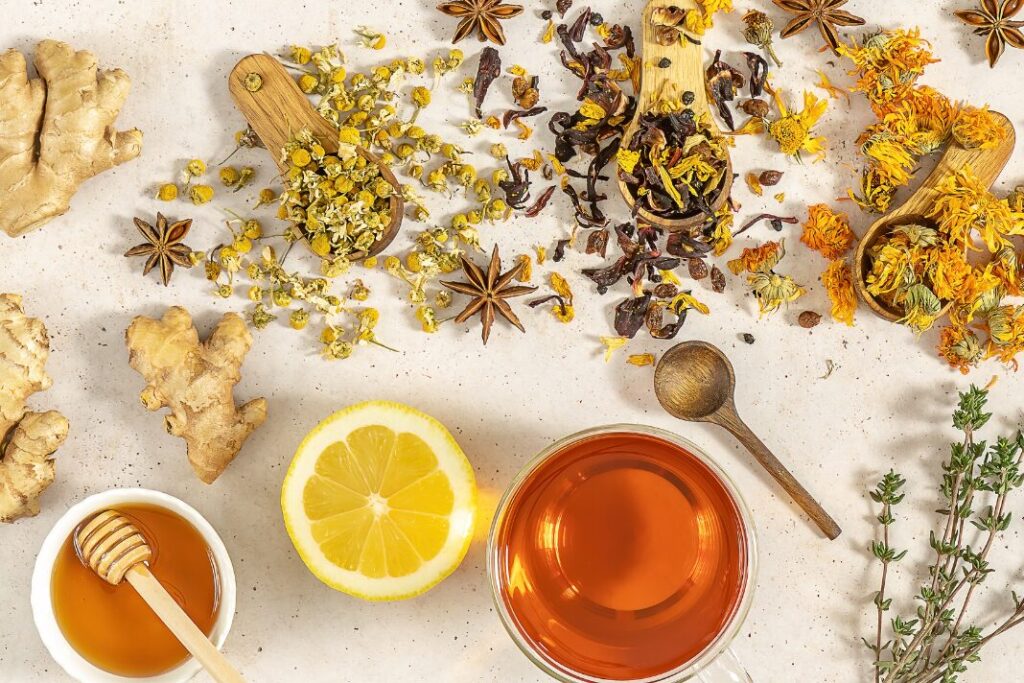
Modern Wellness Meets Ayurvedic Wisdom
As wellness seekers today, we’re moving beyond random DIY hacks. We’re searching for:
- Gut health and microbiome support → Ayurveda addresses this through Agni and Ama concepts
- Immune resilience → Ayurveda builds this through Ojas and daily prevention
- Measurable outcomes → Ayurveda offers trackable improvements in digestion, sleep, energy, and resilience
- Personalized approaches → Ayurveda’s constitutional system (prakriti/vikriti) is inherently personalized
- Preventive care → Ayurveda’s entire framework is prevention-first
Your modern home apothecary becomes the bridge between these wellness priorities and time-tested Ayurvedic practices.
Creating Your Seasonal Home Apothecary Protocols for Fall & Winter
One of the most practical applications of a modern home apothecary is seasonal wellness—building resilience as we move into the colder months when respiratory challenges and immune concerns are most common.
Fall and early winter correspond to Vata season in Ayurveda—a time when the qualities of cold, dry, and mobile predominate. While our digestive fire can actually be stronger during the cold months (our bodies naturally generate more internal heat), this season’s dry, rough qualities tend to aggravate Vata dosha, depleting moisture and leaving us more vulnerable to dry coughs, respiratory issues, constipation, and nervous system fatigue.
Your modern home apothecary becomes your first line of seasonal wellness defense, helping you stay grounded, moisturized, and nourished while building resilience before issues arise.
Your Fall/Winter Daily Protocol:
Morning Routine: Start your day by kindling your digestive fire (Agni)—the foundation of immunity in Ayurveda.
- Warm water with fresh ginger and a touch of honey (room temperature honey only)
- This simple practice awakens digestion and prepares your system for the day
Throughout the Day: Support your respiratory system and immune resilience with warming, nourishing teas.
- Moringa tea with tulsi (holy basil) for immune strength and respiratory support
- CCF tea (cumin, coriander, fennel) between meals for ongoing digestive support
- Ginger tea if you feel congestion or sluggish digestion starting
Weekly Nourishment:
- Include warming, cooked foods with healthy fats (ghee, sesame oil)
- Root vegetables and warming spices in your meals
- Avoid cold, raw foods that can aggravate Vata and weaken digestion
Building Resilience, Not Just Treating Symptoms
Notice that this protocol isn’t about waiting until you’re sick. It’s about:
- Strengthening your digestive fire daily (the root of immunity)
- Supporting your respiratory system before challenges arise
- Nourishing your tissues with warming, grounding foods and herbs
- Addressing early signs when your body first whispers, not when it shouts
This is prevention in action—using your home apothecary to stay strong and resilient throughout the season.
Your Home Apothecary Is Only as Powerful as Your Knowledge
You likely already have many of these ingredients in your kitchen. Turmeric. Ginger. Cumin. Honey. Black pepper. Maybe even moringa.
The ingredients are there. The question is: Do you know how to use them?
Not just as flavor enhancers, but as traditional medicine.
Not just when you’re already sick, but preventively.
Not just following recipes, but understanding principles.
This is where structured learning makes all the difference.
Build Your Modern Home Apothecary
Ayurvedic Home Remedies: Healing Begins at Home teaches you exactly how to create and use your own home apothecary—bridging ancient wisdom with modern wellness needs.
Taught by Vaidya Jayarajan Kodikannath, this comprehensive training shares the family lineage knowledge that kept generations healthy through:
- Over 30 practical remedies for a wide variety of common ailments (from colds and cough to backaches, insomnia and so much more!)
- When, how, and why to use kitchen staples. Turmeric, ginger, and moringa are only the beginning! You’ll learn many more in this course.
- Targeted seasonal protocols for immune and respiratory resilience
- Gut health foundations using Ayurvedic principles
- Personalization guidance based on doshas of the constitution and ailment
- Preventive strategies that address imbalances before they escalate
This isn’t a collection of random tips. This is a structured, expert-guided training in creating a functional home apothecary that serves you and your family for life.
What you’ll gain:
✓ Confidence in caring for yourself and your loved ones naturally
✓ A personalized toolkit for seasonal wellness, immune support and much more
✓ Understanding of why each remedy works, not just what to use
✓ The ability to address early warning signs before they become bigger issues
✓ Connection to ancient wisdom that modern wellness is just rediscovering
The trend toward home apothecaries isn’t going anywhere—it’s only growing stronger as people seek more intentional, preventive, and personalized approaches to health.
Your kitchen holds the medicine. The knowledge is here.
Final Thoughts: The Return to Intentional Self-Care
As wellness seekers, we want more than quick fixes—we want sustainable, personalized approaches to health that we can understand and control. That’s why we’re building home apothecaries filled with intention, knowledge, and purpose.
Ayurveda offers exactly that: a time-tested system that aligns perfectly with modern wellness priorities while offering something deeper—a way of understanding your body, reading its signals, and responding with wisdom.
Your home apothecary is waiting to be built.
Your knowledge is waiting to be deepened.
Your family’s wellness is waiting to be strengthened.
Let’s bring the apothecary home.